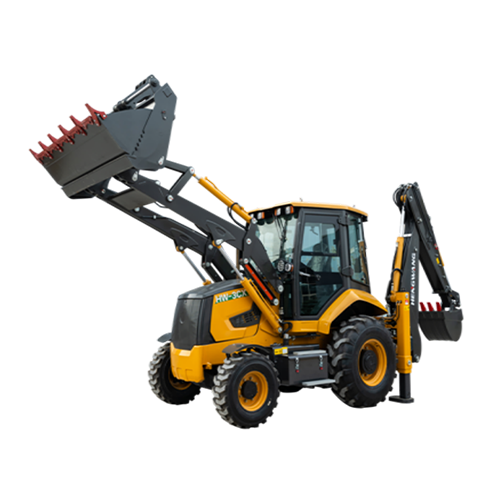
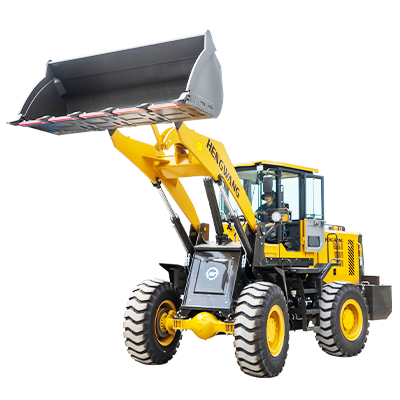
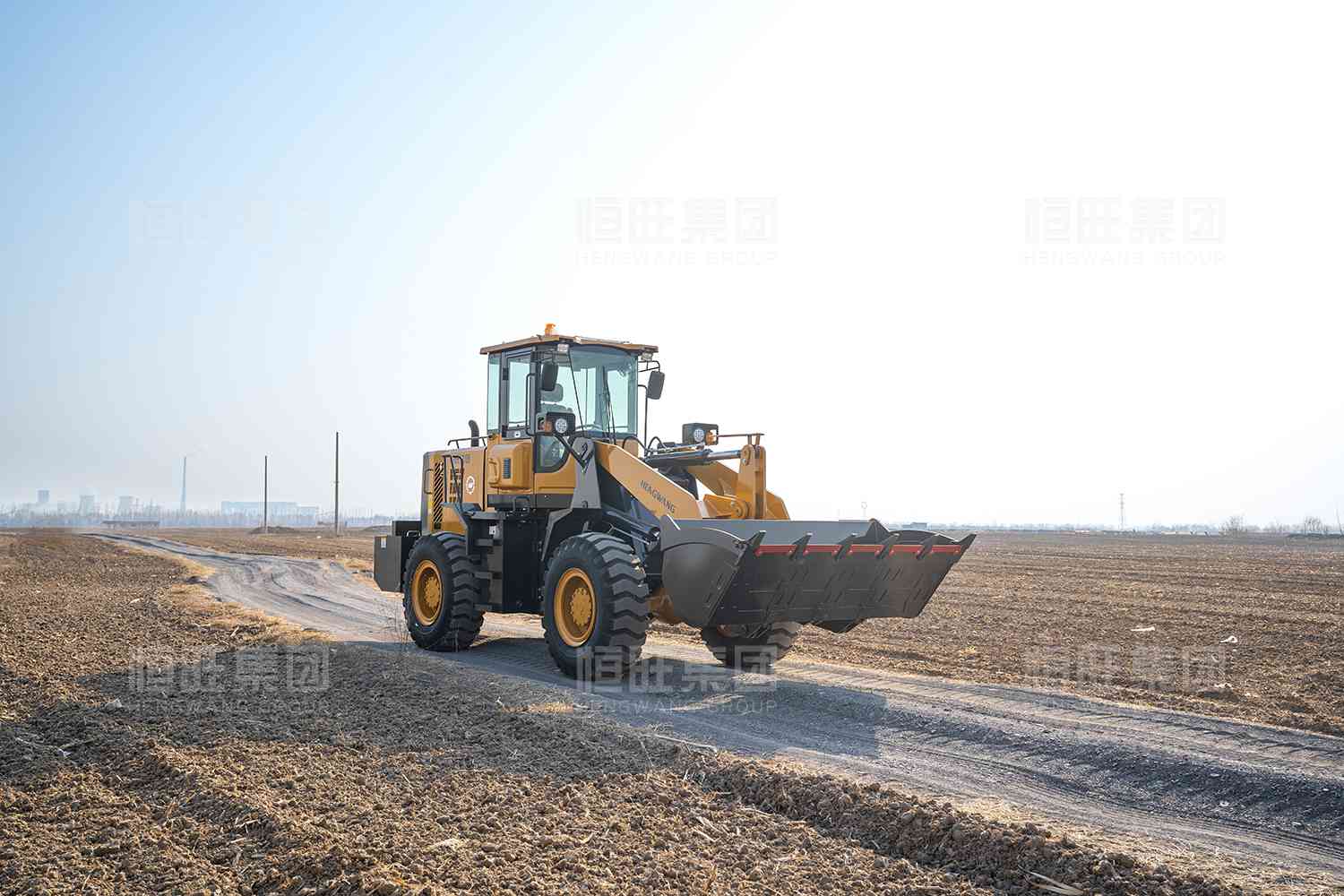
Loader sudden shutdowns are critical operational disruptions that significantly impact engineering efficiency. This article focuses on analyzing two primary shutdown causes and providing actionable solutions to help operators troubleshoot swiftly.
1. Fuel Supply System Failures
Sudden shutdowns caused by fuel system anomalies are characterized by unstable engine RPMs and intermittent power loss. Key contributing factors include:
Insufficient Fuel: Low fuel levels in the tank require immediate replenishment with standard diesel.
Air Intrusion in Fuel Lines: Poor sealing in the low-pressure fuel system allows air ingress. Post-shutdown, use a hand priming pump to check for foam-like bubbles at the air release valve. Persistent bubbles indicate air contamination, necessitating a thorough inspection of fuel line connections and filters
Injector Pump Malfunctions: Fractured camshafts, broken rollers, or damaged connecting plates in the injector pump can halt fuel delivery. Professional repair or replacement of the injector pump assembly is required
2. Crankshaft Seizure
If the loader stalls abruptly and exhibits abnormal temperature spikes or coolant contamination (e.g., emulsified oil in the oil pan), crankshaft seizure is likely. Diagnostic steps:
Check Coolant and Oil: Confirm no water ingress into the oil pan. Normal oil conditions suggest bearing bush burnout.
Manual Crankshaft Rotation: Difficulty or failure to rotate the crankshaft post-shutdown indicates severe bearing damage.
Repair Protocol: Replace damaged bushes, re-machine the crankshaft, and inspect connecting rods. Reassembly must follow torque specifications for bolts and ensure clean oil passages
Preventive Maintenance Guidelines
To minimize unexpected shutdowns, adopt these best practices:
Daily Inspections:
Monitor oil pressure, coolant temperature, and fuel quality.
Check for leaks in the "three filters" (air, oil, fuel) and replace clogged elements every 500 operational hours
Fuel Management:
Use diesel compliant with GB11122 standards.
Avoid cold-start high-load operations; allow 3–5 minutes of low-RPM warm-up to ensure proper lubrication
Operational Discipline:
Prohibit abrupt directional changes or emergency braking while carrying loads.
Limit downhill travel to controlled speeds using torque converters
Scheduled Servicing:
Conduct cylinder compression tests (≥20 bar) and adjust injection timing (18–22°).
Replace worn piston rings or cylinder liners showing signs of scoring or excessive clearance
Conclusion
Loader shutdowns often stem from fuel system integrity or bearing integrity failures. Implementing a proactive maintenance regimen—combining daily checks, proper fuel handling, and adherence to torque specifications—can significantly reduce downtime. Operators should document all maintenance activities and invest in OEM training to enhance troubleshooting capabilities. For persistent issues, consult technical manuals or specialized technicians to avoid secondary damage.